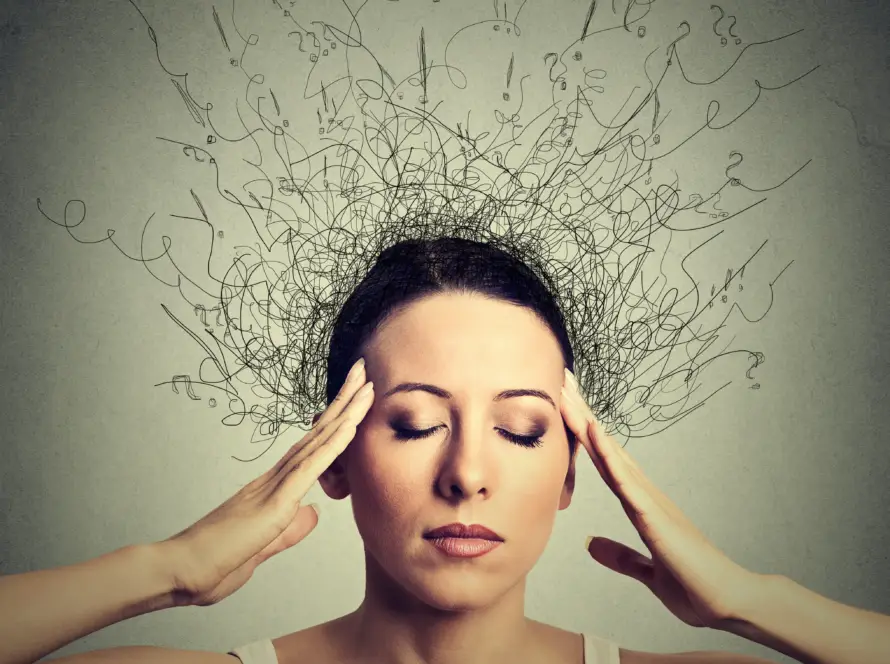
Have you ever wondered whether you are actually healing, especially when an old memory, difficult conversation, or familiar emotion can still affect you?
Emotional healing does not usually mean forgetting what happened or never feeling hurt again. More often, it becomes visible in quieter changes: you recover from difficult emotions more easily, respond rather than react, set healthier boundaries, and feel less controlled by the past.
Recognising the signs of emotional healing can help you notice progress that may otherwise be easy to overlook. Healing is rarely perfectly linear, and having a difficult day does not necessarily mean you have gone backwards.

What Is Emotional Healing?
Emotional healing is a gradual process of processing painful experiences and developing healthier ways of relating to your emotions, memories, yourself, and other people.
“Emotional wounds” is a broad, everyday phrase rather than a clinical diagnosis. It may refer to the lasting effects of experiences such as rejection, loss, betrayal, neglect, conflict, difficult relationships, or traumatic events.
People respond to painful experiences differently. After trauma, for example, some people experience anxiety, sadness, anger, sleep difficulties, concentration problems, or repeated thoughts about what happened. For many people, these reactions lessen over time, while persistent symptoms that interfere with everyday life may require professional assessment and support.
Healing therefore does not have one fixed appearance or timeline.
What Are the Main Signs of Emotional Healing?
You Can Feel Emotions Without Being Overwhelmed by Them
One of the clearest signs of progress is not the disappearance of difficult emotions, but an increased ability to experience them without feeling completely controlled by them.
You may still feel sadness, anger, fear, or disappointment, but you are increasingly able to recognise the emotion, understand it, and allow it to pass.
You React Less Automatically
Past emotional pain can sometimes make present situations feel more threatening than they are.
As healing progresses, you may notice a small but important pause between what happens and how you respond. Instead of immediately withdrawing, becoming defensive, seeking reassurance, or assuming the worst, you may be able to ask yourself what is actually happening.
That pause can create space for a more considered response.
Your Boundaries Become Clearer
Healing often changes what you are willing to accept.
You may become more comfortable saying no, communicating your needs, limiting contact that repeatedly causes distress, or recognising when you need time for yourself.
Healthy boundaries are not about shutting everyone out. They help define what feels respectful, manageable, and emotionally safe within a relationship.
You Stop Replaying the Past as Often
Memories may remain, but they can lose some of their emotional intensity.
You may spend less time imagining what you should have said, wondering why something happened, or mentally rewriting an event that cannot be changed.
A memory becoming less dominant can be an important sign of emotional healing, even when you still wish the experience had been different.
Your Self-Talk Becomes More Compassionate
Emotional pain is often accompanied by self-blame or harsh internal criticism.
Healing may involve gradually replacing thoughts such as “I should have known better” or “There must be something wrong with me” with a more balanced understanding of what happened.
Self-compassion does not mean avoiding responsibility. It means recognising mistakes or difficult experiences without turning them into a judgement about your entire worth.
Relationships Begin to Feel Different
Past emotional wounds can affect how people interpret closeness, disagreement, rejection, or vulnerability.
As you heal, you might:
- communicate feelings more openly
- tolerate disagreements without assuming a relationship is ending
- rely less on constant reassurance
- recognise unhealthy relationship patterns earlier
- trust more gradually and thoughtfully
- feel more comfortable expressing needs
These changes often develop slowly rather than all at once.
How Emotional Healing Can Affect Everyday Life
Emotional healing can influence much more than how you feel about one past experience.
When you are less preoccupied with old pain, you may find it easier to concentrate on present relationships, work, study, interests, and decisions.
You may also notice that situations that once produced a strong emotional response feel more manageable.
Importantly, progress does not mean becoming unaffected by everything. Emotionally healthy responses can still include sadness, anger, grief, or disappointment when circumstances genuinely call for them.
The difference is that these emotions may no longer control your behaviour for as long or as intensely.
Can Emotional Wounds Heal?
Yes, people can experience meaningful improvement after emotionally difficult or traumatic experiences. However, the process varies considerably from one person to another.
There is no reliable universal answer to how long emotional healing “should” take. The nature of the experience, current circumstances, available support, coping strategies, and individual mental health can all influence recovery.
Helpful support can include trusted relationships, healthy routines, emotional awareness, and professional therapy when appropriate. NIMH also recommends maintaining supportive connections, routines, physical activity, mindfulness, and realistic goals as possible ways of supporting recovery after traumatic events.
When Professional Help May Be Useful
You do not have to wait until emotional pain becomes unbearable before seeking support.
Professional help may be worth considering when painful memories or emotional reactions:
- persistently interfere with sleep or concentration
- affect work, studies, or daily responsibilities
- make relationships difficult to maintain
- lead to significant avoidance
- leave you feeling constantly anxious, low, angry, or emotionally overwhelmed
- feel difficult to manage on your own
Talking therapies can help people work with difficult thoughts, feelings, behaviours, anxiety, and trauma-related difficulties.
If the emotional wounds relate to traumatic experiences, appropriate trauma healing therapy may involve evidence-based approaches such as trauma-focused cognitive behavioural therapy or EMDR when clinically suitable.
Some people may also seek emotional wellness therapy to understand recurring emotional patterns, strengthen coping skills, and improve day-to-day well-being. The most appropriate approach depends on the individual’s experiences and needs.
Practical Steps That Can Support Emotional Healing
Healing cannot be forced, but certain habits may support the process:
- Name your emotions. Try identifying what you feel rather than immediately judging it.
- Notice your triggers. Pay attention to situations that create unusually strong reactions.
- Give yourself recovery time. Rest and emotional space can be important after stressful experiences.
- Maintain supportive relationships. Spend time with people who allow you to communicate openly and respectfully.
- Practise boundaries. Notice where saying no or expressing a need may protect your well-being.
- Use grounding or mindfulness practices. These can help bring attention back to the present when memories or emotions become intense.
- Consider professional support. Therapy can provide structured help when patterns feel persistent or difficult to understand alone.
Expert Insight
In my view, one of the most meaningful signs of emotional healing is not that a person stops remembering what hurt them. It is that the memory begins to have less control over how they understand themselves and respond to the present.
I would also avoid measuring healing only by whether difficult feelings return. Old emotions can surface during stress, anniversaries, relationship changes, or unexpected reminders.
A more useful question is: “When this feeling appears now, do I have more choice in what I do with it?”
That growing ability to respond with awareness, rather than automatically repeating an old pattern, can be an important form of progress.
Conclusion
Healing from past emotional wounds is rarely about reaching a point where nothing hurts again. It is about developing a healthier relationship with what happened and gradually reclaiming more choice in the present.
Greater emotional regulation, healthier boundaries, kinder self-talk, improved relationships, and less frequent rumination can all be signs of emotional healing.
Progress can be gradual, uneven, and deeply individual. What matters is not whether every difficult emotion has disappeared, but whether the past is becoming less powerful in shaping your present life.
For more insights on emotional wellness, relationships, and self-growth, follow Shai C on Instagram, LinkedIn, and YouTube.
Stay connected with expert perspectives and practical guidance for a healthier emotional life.
FAQs
What are the signs that you are healing from emotional wounds?
Common signs include recovering from difficult emotions more easily, reacting less impulsively, setting clearer boundaries, reducing self-blame, thinking about the past less frequently, and developing healthier relationship patterns.
How does emotional healing change the way you respond to situations?
Healing may create more space between an emotional trigger and your response. You may become better able to identify what you feel, consider the present situation, and respond intentionally rather than automatically following an old pattern.
Can past emotional wounds affect current relationships?
Yes. Difficult past experiences can influence trust, boundaries, communication, reactions to conflict, and expectations of others. The extent and form of that influence vary between individuals.
How long does the process of emotional healing usually take?
There is no standard timeline. Healing depends on the experiences involved, their impact, current circumstances, available support, and individual needs. Progress may also be uneven rather than occurring in a straight line.
When can therapy help with unresolved emotional pain?
Therapy may be useful when unresolved emotional pain causes significant distress, repeatedly affects relationships, interferes with daily functioning, leads to avoidance, or feels difficult to manage without additional support.
If past emotional pain continues to shape your present relationships, choices, or sense of well-being, speaking with a qualified mental health professional can help you understand those patterns and explore an approach to healing that suits your individual needs.